Recurring Theme
Home
Blogs
A Creative Journey
Joel’s Digital Whiteboard
Menu
Home
Blogs
A Creative Journey
Joel’s Digital Whiteboard
+
Refactoring Existing Code and the Double Check In
by
Joel Ewald
August 19, 2017
development
0
...
Continue Reading →
+
SQL Management Studio 17.1
by
Joel Ewald
August 12, 2017
development
,
sql server
0
...
Continue Reading →
On Extrapolation
by
Joel Ewald
August 5, 2017
Uncategorized
0
...
Continue Reading →
+
Connecting to a Pre-SQL 2012 SSIS Instance with SQL 2012 SSMS
by
Joel Ewald
July 29, 2017
development
,
sql server
0
...
Continue Reading →
+
Andy Null and Data Cleansing Fun
by
Joel Ewald
July 22, 2017
development
,
sql server
0
...
Continue Reading →
+
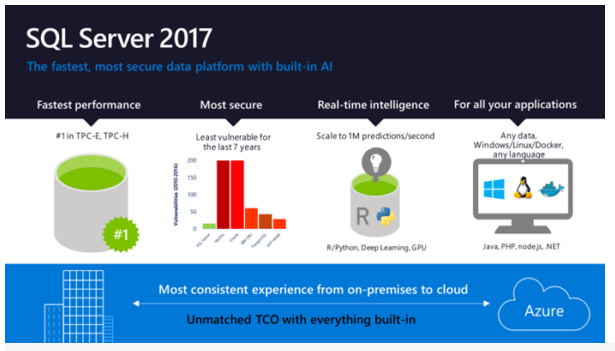
SQL Server 2017
by
Joel Ewald
July 15, 2017
development
,
sql server
0
...
Continue Reading →
+
Health Care Providers Must Stop Wasting Patients’ Time
by
Joel Ewald
July 8, 2017
leadership
0
...
Continue Reading →
+
SSMS 2017 CTP2 is not compatible with VS 2013
by
Joel Ewald
July 1, 2017
development
,
sql server
0
...
Continue Reading →
+
Cerner and American Well to Embed Telehealth Capabilities into Cerner EHR
by
Joel Ewald
June 10, 2017
Uncategorized
0
...
Continue Reading →
+
When is Select * ok
by
Joel Ewald
June 3, 2017
development
,
sql server
0
...
Continue Reading →
1
2
3